
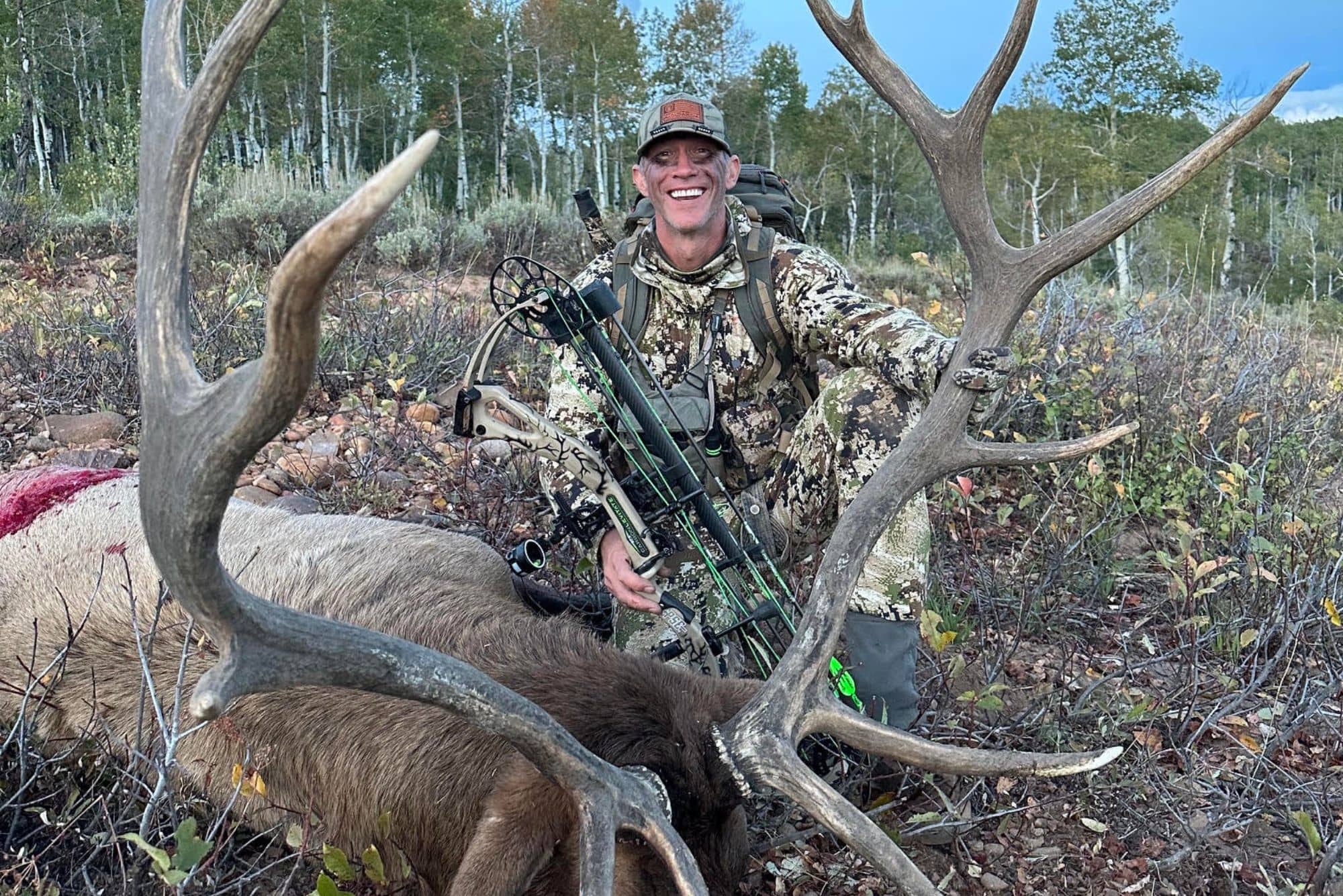
Out of all the natural sounds in the wild, a hard rutting bull elk tops them all: a midnight bugle in the darkness at camp, chuckles ringing through a meadow, the gurgling of a bull committed at just a few feet.
You never forget those sounds, and after a good day of elk hunting, you’ll still hear a piercing bugle in your head as you’re trying to sleep.
Elk hunting is awesome, and hearing one bull in the wild lets you know you’re a hunter. Quick disclaimer: I’m not a die-hard, yearlong, boot-to-the-ground western hunter. I’m a die-hard Midwestern hunter who only gets to venture out west part-time.
I’ve had tremendous success from following common strategies. Regardless of your region, getting into an elk camp is a MUST for any bowhunter. This post covers seven killer tips to help you tag out on a true monarch in the western woods.
1. Use the Natural Resources
When I first started elk hunting, I was fired up and thought I knew what to expect. Once I got there, I figured out fast how much I hadn’t accounted for. Elk hunting is constantly changing; one year you can have amazing hunting in one area, and the next year the elk are 10 miles away.
One year, I had a killer spot in Idaho on public land that had produced 300-class bulls. The next year, all it produced was copious amounts of wolf tracks. One year in Arizona, the unit I’d looked forward to for years was left with burnt pines throughout the whole park.
Another time, I showed up to a prime spot I’d found in Montana only to find a twisted mess from a tornado, filled with cattle. If you aren’t a local to the lands, these changes can wreck the outcome of your hunt. My best resource through all of these shifts has been the DNR.
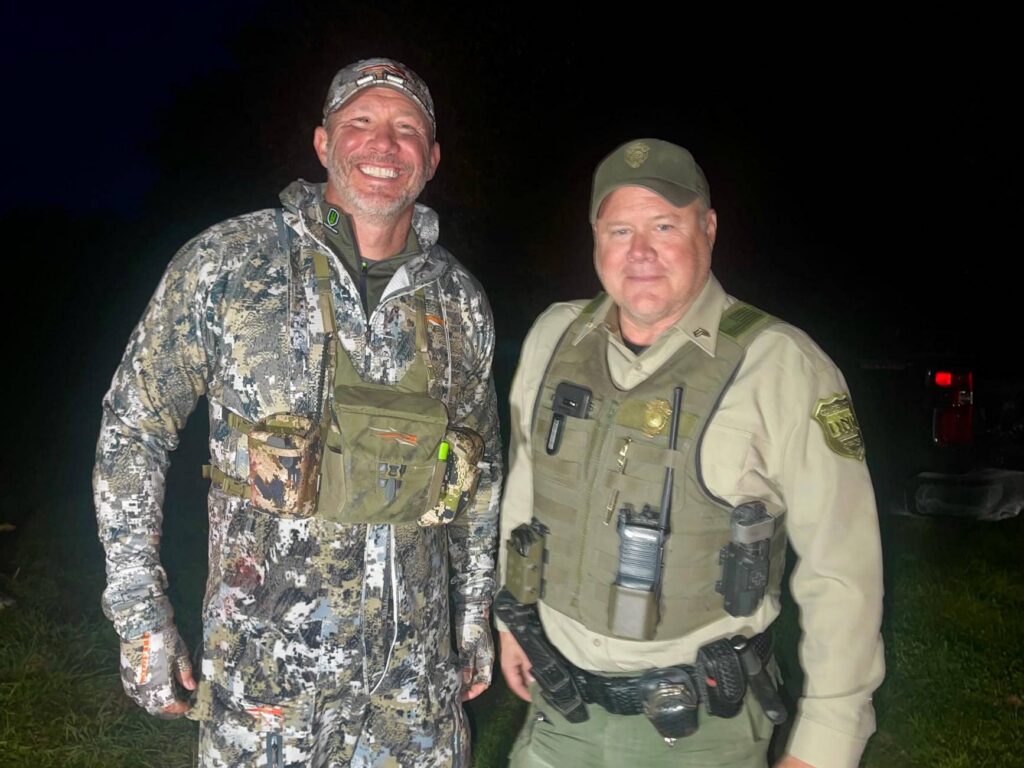
Most people view the DNR as “wardens” and enforcers, but I’ve come to trust them as a true resource for knowing what’s happening all over their states. Each year, I spend time on the phone with a warden or local DNR office from the area I’m about to hunt. They’re a great source for answering questions critical to a good hunt: animal numbers, wolf numbers, forest fire locations.
A local game warden can give you advice on low-pressure areas or new state grounds the state recently acquired. Hunting advice from a warden can be the best advice you get.
2. Call the Taxidermist Ahead of Time
This tip might seem a little backward or overconfident, but it’s the opposite. I’ve learned over the years that one of the best places to get inside tips is the taxidermist. This is the one place bringing in all the big bulls.
You won’t find many people more passionate about game animals than the local person mounting them. You can improve your hunting in certain areas by befriending a taxidermist. If they know you’re going to bring them your business, helping you out is in their best interest.
Some of my better friends are taxidermists, and I’ve spent many late nights or soaked-out days chatting with one. Most of the time, they’re locals who’ve seen that country their whole life and can entertain you with stories about how the area has changed over the years. They’re likely to know other landowners, outfitters, or guides that aren’t in the mainstream.
These connections have added up and tipped the scales in my favor for filling tags. Be genuine with them. Don’t be like a shady car salesman trying to get a one-sided deal.
My advice comes with the expectation that you pursue this as a two-way street, make it a friendship, and help their business in return.
3. Be Overprepared
The one pattern I see in every elk hunting camp I’ve stayed in is hunters who aren’t prepared physically. Elk hunting requires lungs and legs. You have to be able to get around, and you’re in pursuit of an animal that has double the amount of both.
Elk can and do move, A LOT. If you’re constantly sucking wind and can’t move at a decent pace, the only reward for your hunt might be scat and hoof tracks. Your physical fitness carries a huge impact on your ability to punch your tag.
A huge movement toward fitness in hunting is underway. I’ve been serious about it my whole adult life, and now lots of guys are doing the same. An easy elk hunt is a rare feat that only you can control.
If you know you’re going to be elk hunting, use that opportunity to get in your best shape ever. Commit to being overprepared physically. Spend time each day covering ground.
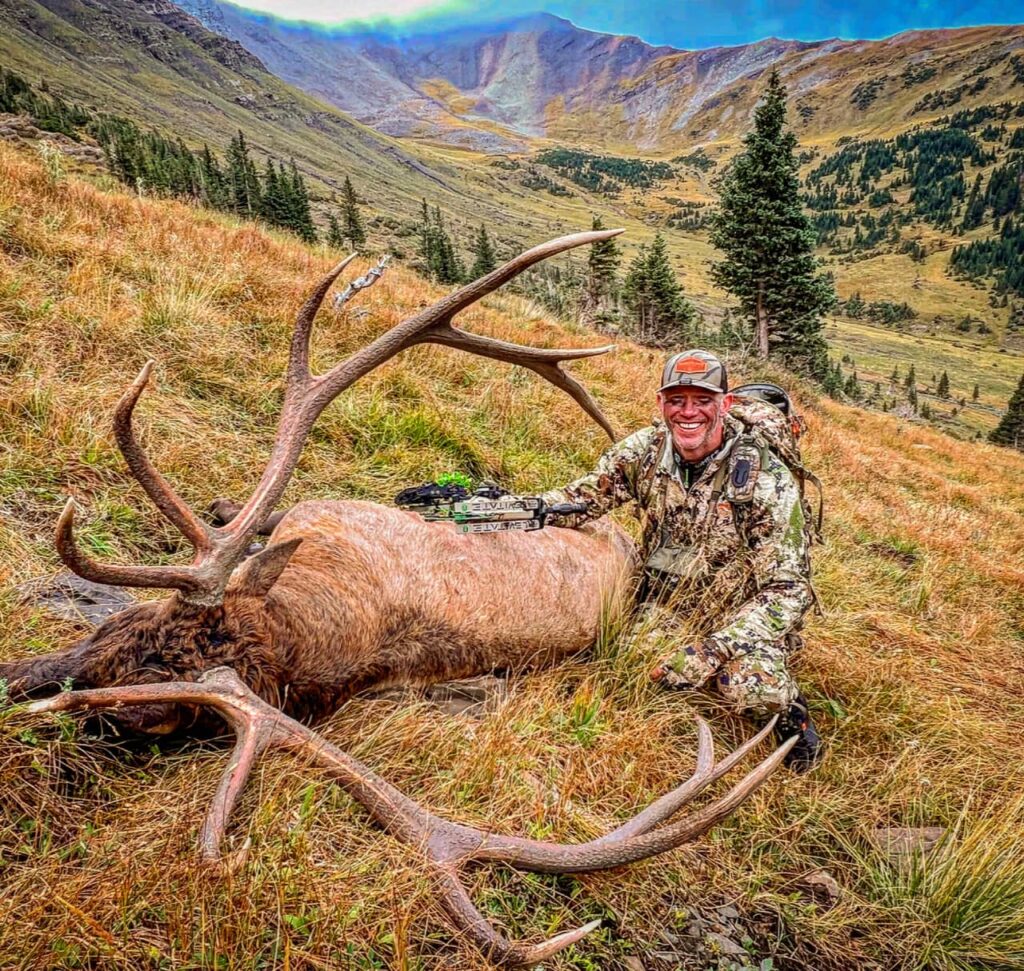
Once you work your way up to easily running a mile, start changing it up. Run in your boots, charge up a small hill with your bow, speed walk with a backpack. Those are the butt kickers most hunters aren’t ready for.
I’ve found a countdown to be a great motivator and a constant reminder that you’re on a schedule. You’ll be amazed at how fast time flies and how little room there is for “I’ll run tomorrow.” Once your body is ready, get your shooting dialed in with cold bore training to make those first-shot opportunities count.
4. Later Is Often Better
Most hunters key in on the first few weeks of elk season, and that’s understandable. I’d urge you to consider the later season. The first few weeks are often hit or miss, with weather, moon phase, and added hunting pressure all creating obstacles.
If the weather turns blazing hot, day hunts can be short-lived in the first moments of daylight or the last minutes before sunset. If the rut is slow to kick off, even the best elk callers can have trouble. The serious western elk hunters I know often plan an early season trip and a late season trip.
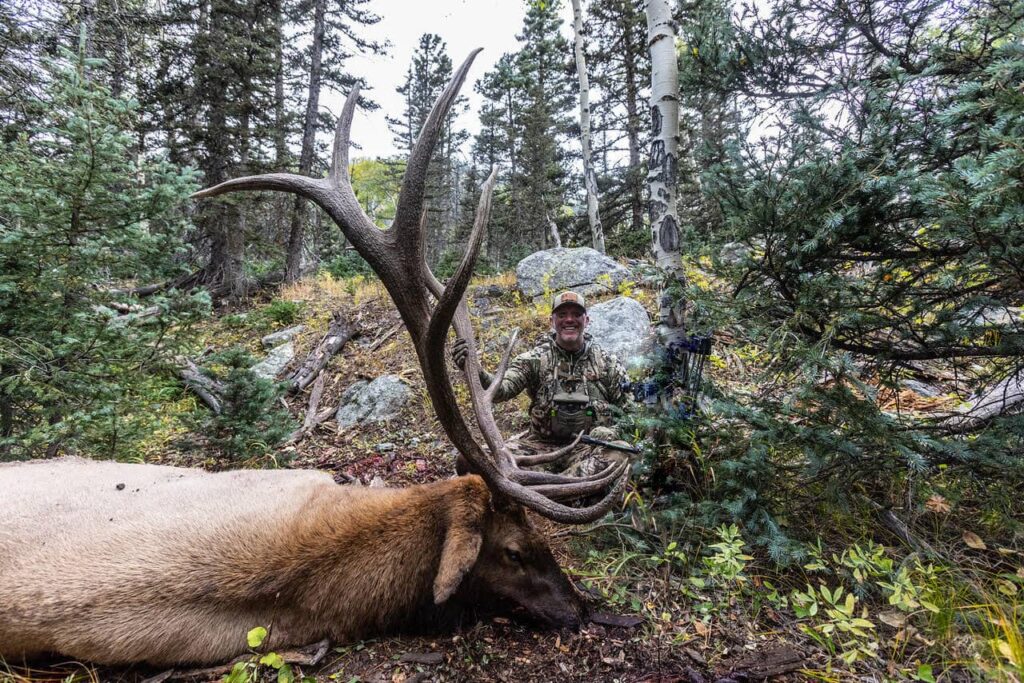
If you’re a Midwestern hunter who needs to pick only one time to go, don’t rule out the later options. Hunts with an outfitter or guide during later dates can be more affordable and typically carry less hunting pressure. A great question to ask the person you’re hunting with: “What is the most overlooked time of year to kill one of these animals?”
Many times, you’ll find it’s not the one week everyone wants. I look at it a lot like my preferred moose hunting dates or whitetail dates. I’ve always had good success at the tail end of the rut.
More cruisers are out looking for that last piece of the action, and your chances of seeing a non-local bull go up. The herds sometimes start gathering, and your hunts turn more into a waiting game for large groups of elk to come to feed. A guide who has already been chasing a smart bull may need several weeks to learn the bull’s pattern or the herd’s natural travel corridors.
I’ve lost count of how many times I’ve left a camp the first week of the season with tons of close encounters, but each time, one small detail got in the way. Then at the end of the season, when I check back with the hunters, they tell me, “We shot that bull right after you left. They were cruising around and talking a lot.” With time comes experience, so the latter option is often the better one.
5. Don’t Be Afraid of the Dark
This might seem like an odd tip, but I’m serious about it. Each year, I’m amazed at how many hunters I come across who are afraid of the dark.
In elk hunting, that usually means heading back to camp right about the time a serious elk hunter would get an evening shot. Or it means falling behind the herd all morning, trying to play catch-up (which is impossible on elk).
Many of my successful elk hunts start with being where I think the elk are WELL before sunrise. I get close enough to hear them, then wait and listen. That helps determine their location and their direction, so you can plan a flank or interception with time to execute.
Elk often bugle more at night than during the day, so with a decent GPS, you can use the darkness to position yourself between where the elk are and where they want to be. The early morning light will often trigger the herd to move from meadows and fields back up to the timber. If you get the wind right, play thermals, and are in front of them as they move off, you’re in the perfect position to stay ahead of the herd instead of behind it.
In the evening, trust your GPS. Know how to use it so you can hunt until last legal light, waiting for your shot. If you don’t get your shot but you’ve found the elk, mark the spot and be there again an hour before sunrise to repeat the process.
6. Aim Smaller
Most hunters have heard the saying “aim small, hit small.” Aim even smaller than that. Elk are big animals, and it’s easy to get the mindset that the vitals are as big as a watermelon.
Sometimes you see the big shoulder and end up hitting it right there. I’ve done it, and I paid the price for it. Regardless of the size of the animal or the vitals, be very detailed in picking where to aim.
“Behind the shoulder” isn’t good enough. It’s that simple. The lungs on an elk are huge, and they’re behind the shoulder with plenty of room.
Many people crowd that shoulder, and they don’t need to. Find a spot of mud or a clump of hair that gives you a specific aiming point instead of an “area.” Elk are tough animals, and a perfectly placed arrow will make life much easier when your bull goes down close to the shot.
Having a rangefinder when bowhunting is a must. Pay close attention to elk distance, and don’t underestimate how much ground an elk covers in one stride. If your bull takes a few steps during the time between your range and your shot, the math won’t work in your favor.
By picking a tiny spot to aim at, you increase your odds of staying well inside the vitals. I aim for the lower third of the body. That gives me room both above and below.
On a big animal inside 40 yards, it’s easy to settle for seeing most of your pins with hair behind them. Be precise, focus only on the pin you need for that distance, and pick a tiny spot. That’s the same precision mindset I talk about in my secrets to better groups.
7. Go Heavier
If you’re a part-time elk hunter like I am, most likely you’re a full-time whitetail hunter. One extremely useful tip I got years ago from the big elk-killing machine Randy Ulmer: go heavier with your arrow weight. I wouldn’t have paid close attention to arrow weight as a deer hunter without hearing it from one of the best.
As a deer hunter, you can usually get away with most arrows tipped with a range of broadheads. Elk are so much tougher than every game animal we hunt east of the Mississippi. The rib of an elk is every bit as dense as the solid shoulder of a whitetail.
If you know your arrow doesn’t pass through that easily with your current setup, physics is stacked against you. What I prefer when elk hunting is a small-diameter, heavy-mass arrow tipped with a broadhead I know is good for penetration. My arrow is always around 500 grains, and I’ve had no reason to change.
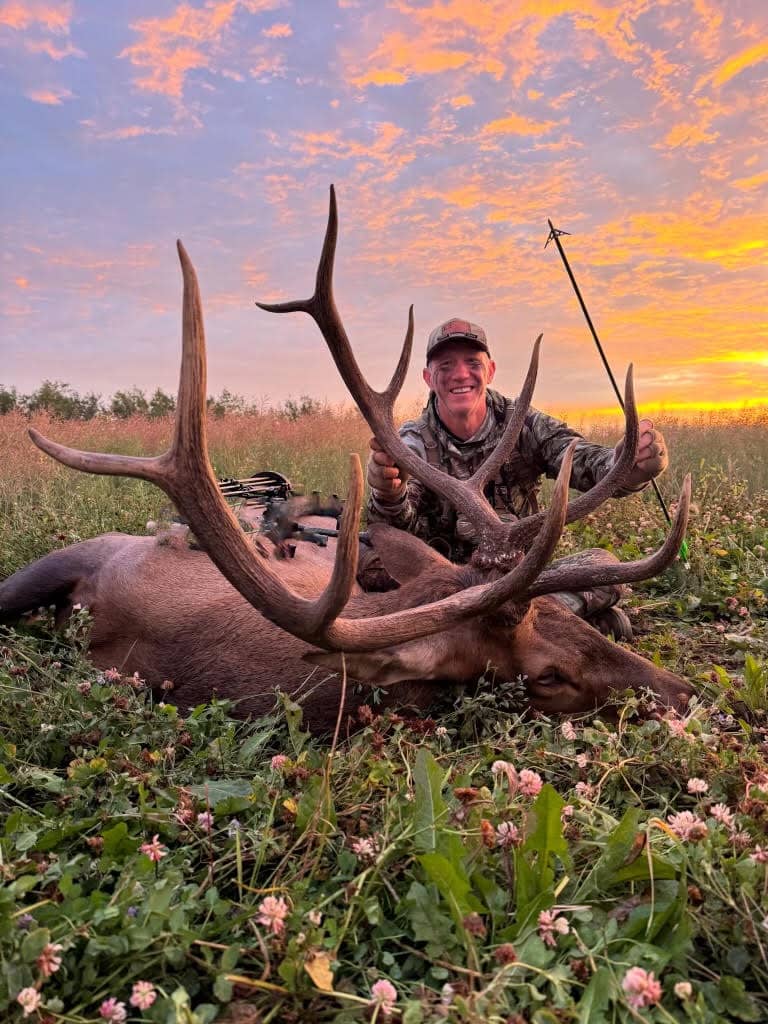
The year I got my advice from Randy, I was shooting a 400-grain arrow with a large-cut expandable broadhead for deer. He urged me to plan for the worst and take a heavier arrow with a head better designed for penetration. I’m lucky I listened.
My arrow did find a rib and didn’t have a pass-through, but the elk was done in no time. I was packing enough kinetic energy to get deep enough for a fatal hit. Had I shot the lighter arrow, no way would it have gone in my favor.
Pass-throughs aren’t necessary for a fatal hit. 18 inches of penetration does the job. But you need to break through bone or shoulder first to get there.
Don’t go extreme on arrow weight. A too-slow arrow gives the animal more reaction time and can cause problems if the distance changes. If you have a lightweight, fast setup for deer, beef it up a little, and if you’re planning to switch arrow diameters between your target and hunting rigs, factor in the weight increase for elk.
An Experience of a Lifetime
I don’t get to experience the yearlong activities of elk like most western residents do, but I get to enjoy the best part: the hunting. A bugling elk is an experience I look forward to every bit as much as rattling in a bruiser whitetail. No matter your skill level as a bowhunter, these seven tips will have a big impact on your success each year.