

Blazing heat and dry conditions demand a strategic approach, not just in hunting locations, but in how you organize your gear. I’ve found that the right chest rig setup can be the difference between fumbling through your pockets when a buck appears and executing a seamless shot sequence.
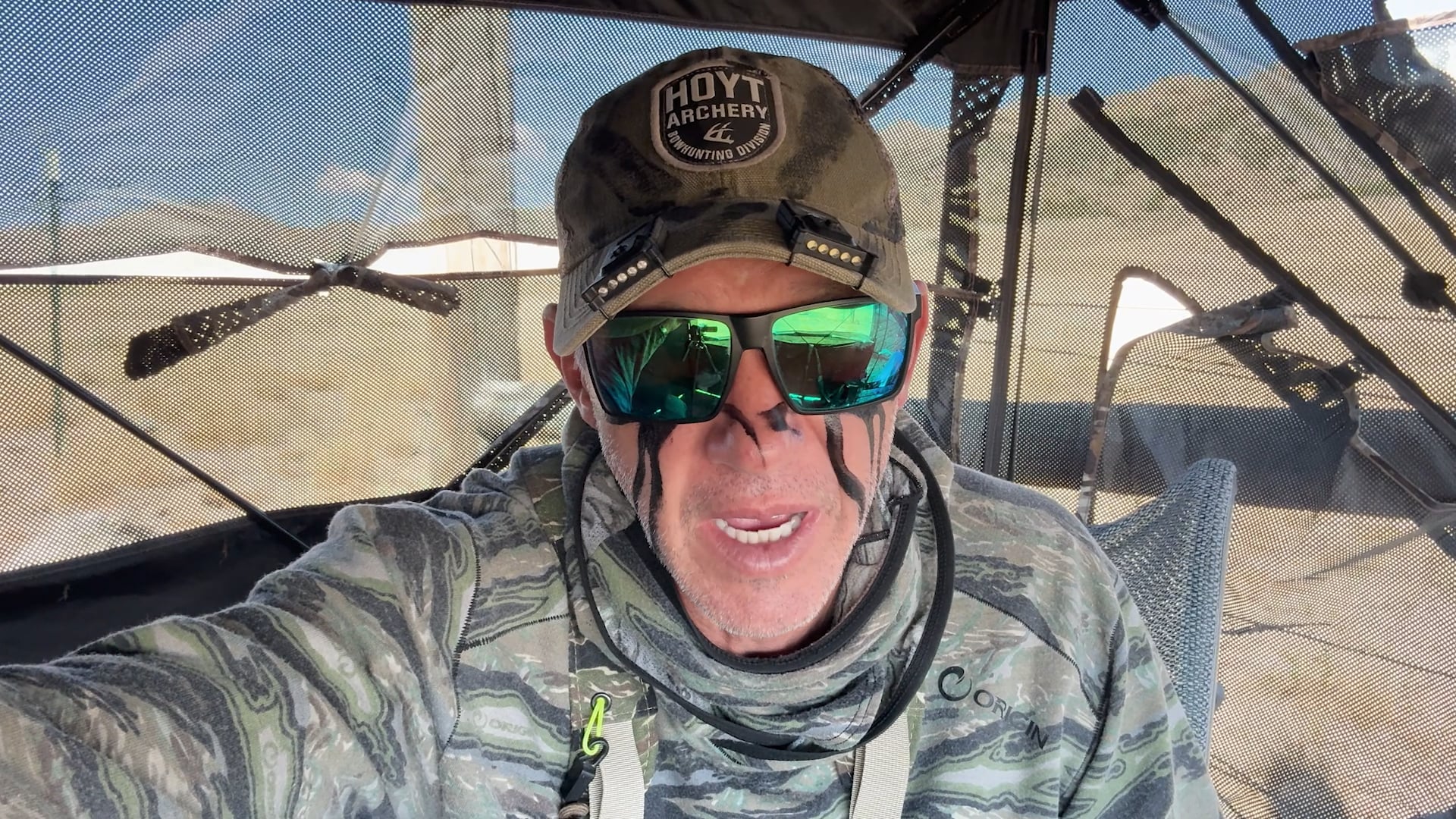
On a hot-weather hunt earlier this year, I put my new chest rig configuration to the test while sitting at a water hole in brutal heat. The setup performed well, and I wanted to share the system that’s changed my hot-weather hunting approach.
The Chest Rig Philosophy: Accessibility Without Compromise
When I’m committed to all-day sits in scorching temperatures, efficiency is everything. My newest chest rig addresses the problems I’ve encountered over decades of bowhunting.
I organized my gear to maintain absolute silence and provide instant access. The chest position keeps important items visible and available without excessive movement, a factor that matters when a mature buck might appear at any second.
The advantages of this configuration include:
- Silent operation: No digging through pockets or backpacks
- Weight distribution: Heavy optics carried comfortably for all-day sits
- Weatherproof protection: Gear stays dry and clean
- Customization options: Each component positioned exactly where I need it
Strategic Optics: Why I Run a Dual-System Approach
For water hole hunting, proper optics selection can affect your success. My current setup features two components that serve different purposes:
- Leupold BX4 HD 1250 Rangers: These powerful binoculars provide exceptional clarity for long glassing sessions. They’re awesome for picking apart distant terrain and identifying subtle movement that might indicate approaching game.
- Leupold Rangefinder With Pinning Feature: This specialized tool gives me precision when I need it most. Its pinning feature lets me mark specific locations digitally, which is important when I’m tracking animal movement patterns around a water source.
This dual system prevents compromises in all-in-one optics. The dedicated rangefinder delivers pinpoint accuracy when ranging small targets partially obscured by brush. That’s a common scenario at water holes, where cover is often thick around the edges.
Tactical Modifications: Fine-Tuning for the Field
Out-of-the-box gear rarely meets the standards required for close-range bowhunting. I’ve made several modifications to my chest rig that address specific field issues.
These simple but necessary modifications eliminate the risk of plastic-on-plastic contact that could create noise during a draw sequence. By wrapping specific connection points with noise-dampening material, I’ve created a system that stays silent, even when I’m drawing on an alert deer at close range.
The most influential element is my release aid storage solution. The custom holster mounted straight to my chest rig gives me instantaneous, one-handed access to my release and keeps it absolutely secure when not in use.
This seemingly small detail solves one of bowhunting’s most frustrating problems: fumbling for a release when a shot opportunity suddenly presents itself. With this system, my thumb naturally finds the back of the release. I can draw it from the holster in a single motion.
Accessories I Never Leave Behind
Outside of the major components, my chest rig houses several important items that serve specific tactical purposes:
- Reading Glasses (“Cheaters”): This simple addition lets me make precise adjustments to my single-pin sight without struggling to read small yardage markings.
- Diaphragm Call: It can stop a deer for a shot, calm a spooked animal, or even call in an unexpected elk.
- Emergency Items: A migraine pill, face paint, a lighter, and my license. These items address potential hunt-ending issues without adding unnecessary bulk.
- Headlamp: Secured in a dedicated side pocket, this tool helps me track and navigate in low-light conditions.
I organize these accessories in a way that keeps everything accessible without creating unnecessary bulk or noise.
Mental Tactics: The Power Nap Advantage
Beyond physical gear, mental preparation plays a big role in hot-weather hunting success. One tactic I’ve found effective for maintaining focus during long, hot sits is the strategic power nap.
This approach helps combat the mental fatigue that often accompanies hot-weather hunts where temperatures can sap energy and focus. By using my watch’s silent vibration feature, I can catch a 10-minute rest without an audible alarm that might spook nearby game.
A System Built for Success
By focusing on silence, accessibility, and functionality, I’ve developed a chest rig configuration that eliminates common frustrations and maximizes opportunities. Whether you’re planning an over-the-counter public-land hunt or sitting at a familiar water hole on private ground, this gear approach can dramatically improve your early-season efficiency.
As temperatures soar and deer movement patterns center around water sources, the hunters who come prepared with thoughtfully organized gear will find themselves ready to capitalize on those brief windows of opportunity that define hot-weather bowhunting success.
When the field heats up, making every second count matters more than simply putting in your time.